Tuesday, 28 February 2023

Tesla’s next factory will be in Mexico, president confirms

Tesla plans to build a new factory in Monterrey, Mexico, the country’s president said Tuesday confirming speculation that the automaker would set up shop there.

Notably, Tesla has agreed to use recycled water, addressing a major environmental concern in northern Mexico, President Andrés Manuel López Obrador said.

Tesla will share more information about the new factory during its investor day event scheduled for Wednesday afternoon, said López Obrador who is also known as ALMO.

Tesla CEO Elon Musk is expected present the long-awaited and often teased Master Plan 3 during the company’s investor day that will be held at the company’s Gigafactory Texas located near Austin. Investors will be able to see its production line and discuss with its leadership team topics like the company’s long-term expansion plans, generation 3 platform and capital allocation, according to the company.

Tesla has several factories in the United States, including in Fremont, California, where vehicles are assembled, a plant near Sparks, Nevada which is a joint project with Panasonic and its headquarters in Austin, Texas. Tesla also has factories near Berlin and Shanghai.

Mexico, particularly states near the U.S. border, has been a hotspot for automotive manufacturing for decades. U.S. automakers Ford, GM, German automaker Volkswagen and Japanese companies Honda, Nissan and Toyota have vehicle assembly plants in Mexico. GM, Kia and Stellantis have factories in Monterrey. Several automotive suppliers, including Continental and Faurecia have plants there, making Mexico critical to the industry’s supply chain network.

Tesla’s next factory will be in Mexico, president confirms by Kirsten Korosec originally published on TechCrunch


from TechCrunch

DNA Exclusive: Umesh Pal Murder Case And Yogi Adityanath`s Mission Against Mafias

In today's DNA, Zee News' Rohit Ranjan explained the chronology of Umesh Pal murder case and the police action following it.

from Zee News :India National

After Sisodia Resigns, Delhi Ministers Kailash Gahlot, RK Anand To Take Up His Depts

Some of the departments held by Delhi Deputy CM Manish Sisodia will now be handled by Kailash Gahlot and the rest will be by Raaj Kumar Anand.

from Zee News :India National

Monday, 27 February 2023

Inside Startup Battlefield: Getting to know the Battlefield 200

Welcome back to Inside Startup Battlefield, the TechCrunch podcast where we take you behind the scenes of one of tech’s top startup competitions. There are 180 companies solving crucial problems that didn’t make it to the Disrupt stage, but that doesn’t mean they’re making any less of an impact. In this episode, TechCrunch writers Devin Coldewey and Harri Weber take us on a walk through the Expo Hall and let us listen in on their conversations with a handful of the most interesting companies in the Battlefield 200. 

New episodes of Inside Startup Battlefield drop every Monday. Be sure to check out all of the other podcasts in the TechCrunch Podcast Network: Found, Equity, The TechCrunch Podcast, Chain Reaction and The TechCrunch Live Podcast.

Inside Startup Battlefield: Getting to know the Battlefield 200 by Maggie Stamets originally published on TechCrunch


from TechCrunch

Timeline: What Led To Manish Sisodia`s Arrest In Delhi Liquor Scam Case 

Sisodia was arrested by the agency on Sunday following eight hours of questioning. 

from Zee News :India National

Uddhav Thackeray Dubs EC As Bogus, Calls Shinde Faction Creepers, Thieves

"The Election Commission is bogus. It should be called the Election Chuna Lagao Aayog. We have lost trust in it," Thackeray said at a party event on the occasion of Marathi Language Day.

from Zee News :India National

Sunday, 26 February 2023

More layoffs at Twitter, and loyalist Esther Crawford isn’t spared

Twitter has laid off at least another 50 employees, according to a report from The Information and posts on social media from former workers.

And apparently not even Elon Musk loyalist Esther Crawford, the chief executive of Twitter payments who oversaw the company’s Twitter Blue verification subscription, was spared, according to Platformer’s Zoë Schiffer. Alex Heath of The Verge also confirmed that Crawford and most of the remaining product team were laid off this weekend, leading many to speculate that Musk is cleaning house to redecorate with a new regime.

Recall that Crawford had been swept up by Musk’s hardcore takeover of Twitter last year, even boasting on the platform about sleeping at the office to handle round-the-clock demands from her new boss.


The layoffs came this weekend after Twitter employees realized they had been cut off from using Slack. While it later came out that Twitter hadn’t paid its Slack bill on time, that’s not why the platform went down. The Platformer reported that someone at Twitter manually shut off access. Many employees worried that this was the first sign of layoffs to come, and while correlation does not equal causation, an entire company being cut off from their main mode of communication as layoffs started dropping like bombs caused confusion and panic all around.

“Slack is gone so noone know what is going on,” reads one post on Blind, an anonymous platform for verified workers. “People receive email at 2am on saturday and access cut immediately. This will go down as one of the most extreme layoff in entire corporate history”

The post went on to detail the extent of the layoffs: 50% in human relations, 60% in sales and marketing, 35% in engineering, 40% in finance and 80% in project management. Employees have received one month’s severance, the poster said. Twitter has not responded to requests for comment, nor has it released a public statement on the layoffs.

The Information’s report also notes that Twitter kicked off this round of layoffs by letting go of its ad sales staff on February 17.

A senior product manager, Martijn de Kuijper, tweeted that he found out about his own lack of a job after being locked out of his email account.

“Waking up to find I’ve been locked out of my email. Looks like I’m let go. Now my Revue journey is really over,” tweeted de Kuijper. The manager founded Revue, an editorial newsletter tool acquired by Twitter in 2021.

Since Musk took over Twitter in October last year, the company’s headcount has fallen by over 70%. This latest round of layoffs comes after Musk promised in November that no more layoffs were to come. But Musk has a reputation for making promises he can’t keep, whether it’s swearing that Tesla will solve full self-driving “next year” every year since 2014 or reassuring investors that he’s done selling Tesla stock, only to sell $3.5 billion more in Tesla stock.

Musk has not responded to TechCrunch’s request for comment, made via the Musk equivalent of a Hail Mary — through a tweet.

More layoffs at Twitter, and loyalist Esther Crawford isn’t spared by Rebecca Bellan originally published on TechCrunch


from TechCrunch

Mehbooba Mufti Blames Govt For Killing Of Kashmiri Pandit ATM Gaurd in J&K

Terrorists shot dead a bank security guard Sanjay Sharma from the Achan area of Pulwama district in South Kashmir. 

from Zee News :India National

Saturday, 25 February 2023

Magic Eraser comes to more devices, Spotify gains an AI DJ, and Netflix decreases prices

It’s Friday (or should I say, Fri-yay.) You’ve made it. Give yourself a pat on the back — and then go read the rest of this issue of Week in Review, TechCrunch’s newsletter summing up the past seven days in tech (sign up here to get it directly in your inbox every Saturday). I’ll continue to be your WiR emcee for the next few weeks until Greg returns from parental leave. Goodness knows I lack his wit, but I’ll try to make up for it in pith. Go easy on me, please.

First things first, I’m contractually obligated (not really… but maybe actually?) to highlight TechCrunch’s upcoming events this calendar year.

TechCrunch Live is making a special (virtual) trip to Boston on February 27 for City Spotlight: Boston, and it’ll be completely free. That’s right — free! No excuses for skipping out on this one. Beyond City Spotlight, TC will be back in Boston in April for Early Stage, which will feature expert-led sessions about growing an — you guessed it — early-stage company. Last but not least, mark your calendar for TechCrunch Disrupt 2023, which takes place in San Francisco from September 19–21. It’ll be one to remember.

With the PSAs out of the way, let’s get on with the roundup:

most read

Erase your mistakes: One of Google Pixel’s best photo-editing features, “Magic Eraser,” is now making its way to other Android and iOS devices. But it won’t be free. This week, Google announced that the popular tool, which uses AI to remove unwanted content from images, will become available to Google One subscribers and to existing Pixel owners. Google One subscribers will receive a small handful of other editing tools as well, like a new HDR video effect, exclusive collage Styles and more.

Facebook jail: Sarah reports that Meta will be reforming its penalty system based on the recommendations from the Oversight Board, the independent body of experts, academics, civic leaders and lawyers who now weigh in on appeals decisions made by Meta. The social network says it will reform its system to focus less on penalizing users by restricting their ability to post and more on explaining the reasoning behind its content removals, which it believes will be a fairer and more effective means of moderating content on its platform.

TikTok in cars: TikTok is making its way into vehicles, starting with the new Mercedes-Benz E-Class that’s coming to market in fall 2023. The car’s newly updated MBUX infotainment system, which will feature a “superscreen” that spans the entire dashboard, will allow drivers to click on the TikTok app and watch videos when the vehicle is parked. How’s that for TikTok overload?

AI in my Spotify: Spotify this week launched a new AI feature called “DJ” to better personalize the music-listening experience for its users. Similar to a radio DJ, Spotify’s DJ feature will deliver a curated selection of music alongside AI-powered spoken commentary about the tracks and artists you like, using what Spotify says is a “stunningly realistic voice.” Neat!

Price drop: Netflix decreased its subscription costs in more than 100 territories over the past week as customers continue to contemplate which streaming services to keep amid price hikes. The company has been under fire lately after rolling out password-sharing rules to Canada, New Zealand, Portugal and Spain, but another potential reason for the price decrease is to fare better against competition such as Paramount+Apple TV+Disney+ and Hulu.

Military secrets: On Monday, the U.S. Department of Defense secured an exposed server that had been spilling internal U.S. military emails to the open internet for the past two weeks. The server was hosted on Microsoft’s Azure government cloud for Department of Defense customers, which uses servers that are physically separated from other commercial customers and as such can be used to share sensitive but unclassified government data.

Compute by OpenAI: OpenAI is quietly launching a new developer platform that lets customers run the company’s newer machine learning models, like GPT-3.5, on dedicated capacity. In screenshots of documentation published to Twitter by users with early access, OpenAI describes the forthcoming offering, called Foundry, as “designed for cutting-edge customers running larger workloads.”

YouTube goes multilingual: YouTube announced this week that it’s rolling out support for multilanguage audio tracks, which will allow creators to add dubbing to their new and existing videos, helping them to reach an international audience. The company says the technology to support multilanguage audio tracks was built in-house at YouTube, but creators will need to partner directly with third-party dubbing providers to create their audio tracks.

audio

Here’s your weekly reminder that TechCrunch has a diverse array of podcasts for your listening pleasure. This week on The TechCrunch Podcast, Haje stepped in for Darrell to talk with Taylor about the Supreme Court cases that could change the internet as we know it. On Chain Reaction, Jacquelyn interviewed Alex Adelman, the co-founder and CEO of Lolli, a bitcoin rewards app that lets people earn bitcoin or cash back when they shop online or in person at over 10,000 stores. The Found crew spoke with Michael Chime, the co-founder and CEO of Prepared, which is leading the charge to modernize 911 calls by providing access to video and photos. And over at Equity, the gang covered trends such as the possible return of IPOs and accelerators that back the startups of laid-off tech workers.

TechCrunch+

TC+ subscribers get access to in-depth commentary, analysis and surveys — which you know if you’re already a subscriber. If you’re not, consider signing up. Here are a few highlights from this week:

Ocean conservation: Tim investigates whether ocean conservation startups are the next big thing in sustainability. The takeaway? Even some of the most intractable and high-profile problems facing the world’s oceans, like plastic pollution, are inspiring investors to dive in (pun intended).

Making layoffs suck less: Leslie Crowe of Bain Capital Ventures writes about how to announce job cuts and retain top performers. With some thought and planning, she argues, founders can manage the layoff process well and come out the other side stronger.

Say goodbye to $100 million venture rounds: Startups hoping to raise a nine-figure round in the future had best temper their ambition. Alex writes that venture funding events worth $100 million or more are going extinct — quickly.

Magic Eraser comes to more devices, Spotify gains an AI DJ, and Netflix decreases prices by Kyle Wiggers originally published on TechCrunch


from TechCrunch

This Week in Apps: Meta’s paid verifications, Instagram’s founders’ new app and Spotify’s AI DJ

Welcome back to This Week in Apps, the weekly TechCrunch series that recaps the latest in mobile OS news, mobile applications and the overall app economy.

The app economy in 2023 hit a few snags, as consumer spending last year dropped for the first time by 2% to $167 billion, according to data.ai’s “State of Mobile” report. However, downloads are continuing to grow, up 11% year-over-year in 2022 to reach 255 billion. Consumers are also spending more time in mobile apps than ever before. On Android devices alone, hours spent in 2022 grew 9%, reaching 4.1 trillion.

This Week in Apps offers a way to keep up with this fast-moving industry in one place with the latest from the world of apps, including news, updates, startup fundings, mergers and acquisitions, and much more.

Do you want This Week in Apps in your inbox every Saturday? Sign up here: techcrunch.com/newsletters

Top Stories

Meta starts selling blue badges…but also security and customer service
Meta's suit in Kenya to continue

Image Credits: Bloomberg / Contributor / Getty Images

In a stealth announcement over the weekend, Meta announced a radical change to Facebook and Instagram with news that it would offer to sell its blue verified badge to customers, taking a play from Elon Musk’s Twitter playbook. The paid subscription includes other features as well, including improved impersonation protection and direct access to customer support, plus more visibility through upranked posts. It’s initially rolling out to Australia and New Zealand.

Twitter’s initial attempt at paid verification proved problematic, as users bought the badge then changed their name and profile picture to troll other high-profile accounts (including Musk) and businesses. Twitter had to pause the service and readjust.

Seemingly learning from Twitter’s mistakes, Meta’s paid badge has a few more rules in place.

For starters, users must verify their identity with a government-issued ID card, and then won’t be able to change their profile name, username, date of birth or photo after paying for verification. If they later want to make a change, they’ll need to unsubscribe and then get reverified. This dramatically cuts down on bad actors, though could be a bit of a pain for creators who like to refresh their photos from time to time. However, it may not always be this way — Meta said it’s working on a feature that will eventually allow users to change these settings through a new verification process that won’t require them to cancel and resubscribe… it’s just not ready yet.

Also of note: Meta Verified won’t verify users across Facebook and Instagram — users will have to buy separate plans for the two apps, and Facebook’s subscription, for now, is only sold on the web. That means customers will be shelling out $27 per month at the current prices for access to this badge and other perks across Meta’s apps. (The subscription is $11.99 per month on the web and $14.99 per month on iOS or Android.)

The trend toward paid verification is a potentially fraught move for social networks like Meta and Twitter, as they’re now responsible for services that users believe should be free — things like safety, security and customer service. Being able to identify an account as authentic is seen as a feature the networks should provide to ensure that their users can trust who they’re interacting with. And being able to get help with problems like impersonation or other customer support issues is also considered something that should be a part of the social network’s core service. By stratifying these features into pay-to-play tiers, the networks are setting up a system where people with money have a better class of service than those with less to spend. But security and trust shouldn’t be sold as if they’re upgraded seats on an airplane, they should be baked into the core offering.

Instagram co-founders launch their new app… and it’s for news
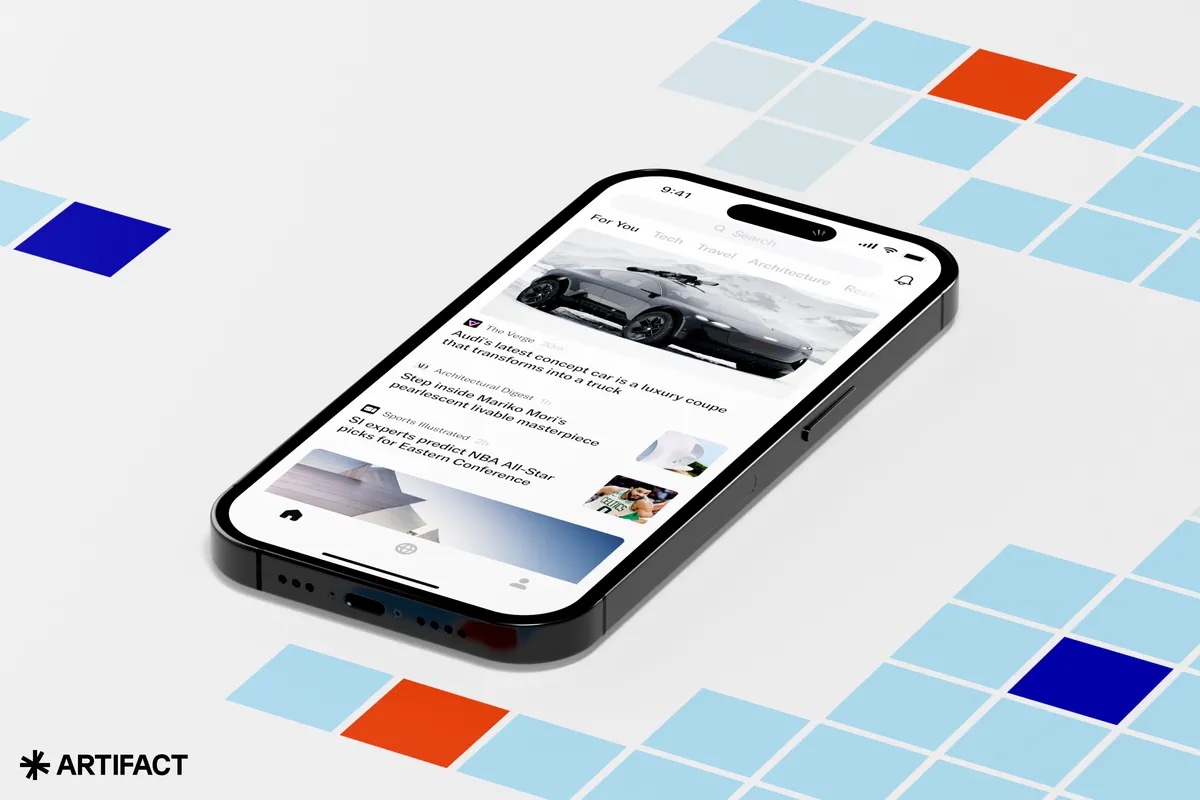
Artifact displayed on smartphone laid on colored tiles/blocks

Image Credits: Artifact

Artifact, the personalized news reader built by Instagram’s co-founders, is now open to the public, no sign-up required. Last month, Instagram’s creators Kevin Systrom and Mike Krieger unveiled their latest venture as an invite-only experience, promising their news app would later evolve to include social elements, like being able to discuss the news with friends. With this week’s launch, Artifact is dropping its waitlist and phone number requirements, introducing the app’s first social feature and adding feedback controls to better personalize the news reading experience, among other changes.

In preparation for expanded social features, the company will now allow users to upload their contacts to see when articles are becoming popular with people in their network. But unlike a similar feature on Twitter, it won’t show you who is reading them.
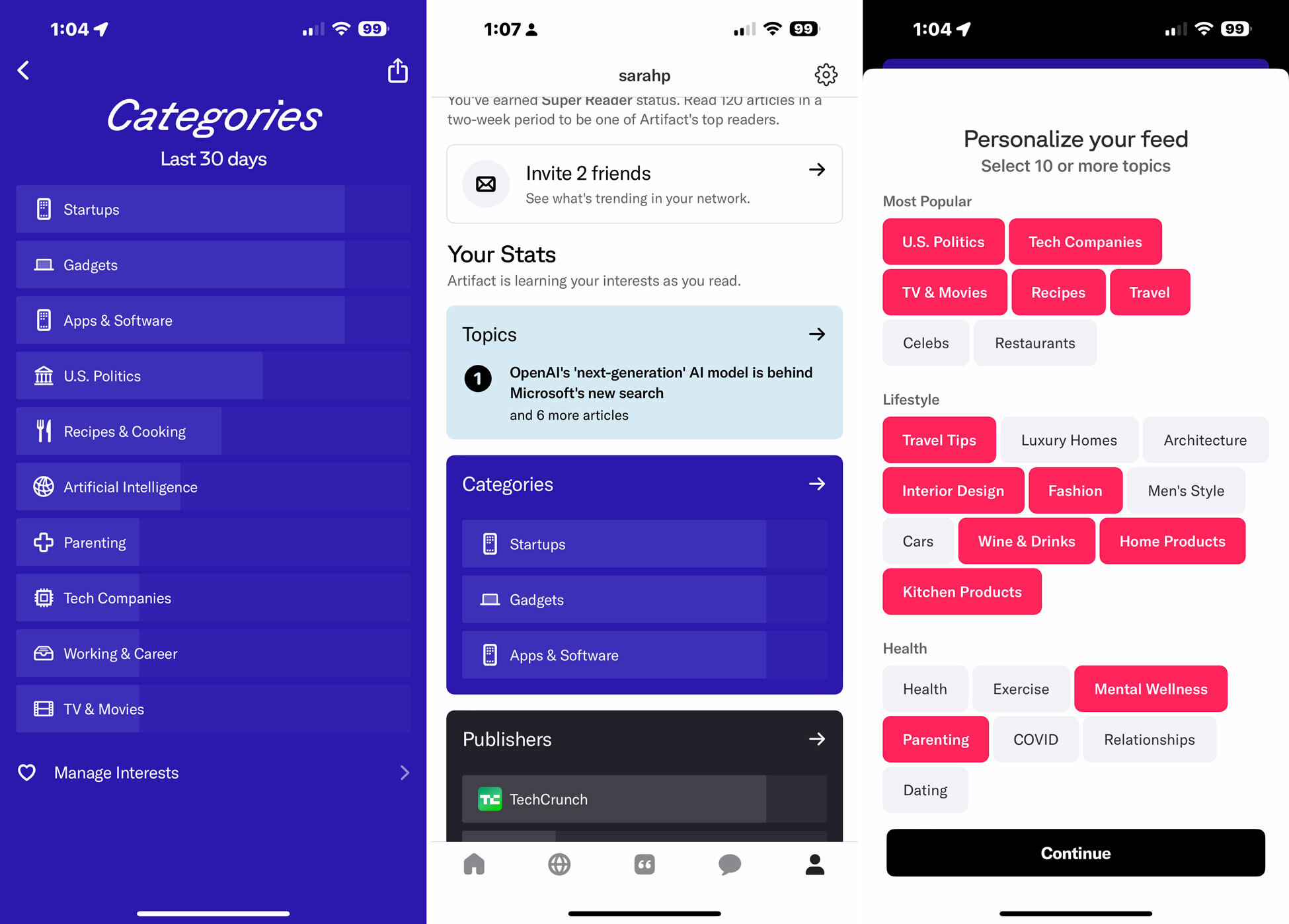
Image Credits: Artifact personalization and stats

Artifact will also now give users more visibility into their news reading habits with a newly added stats feature that shows you the categories you’ve read as well as the recent articles you read within those categories, plus the publishers you’ve been reading the most. But it will also group your reading more narrowly by specific topics. In other words, instead of just “tech” or “AI,” you might find you’ve read a lot about the topic “ChatGPT,” specifically.

The launch of a brand-new app from Instagram’s founders, and particularly one focused on news, was a surprise — especially given the difficulties of launching a news reader here in the U.S., where it would have to compete with offerings from the tech giants, like Google News, Apple News and, of course — from the founders’ earlier employer — Meta’s own News Feed. But Systrom believes that the underlying machine learning technology being used will help Artifact differentiate itself from others — it’s leveraging the transformer advances that are also powering new AI tools like ChatGPT.

While users are likely curious about the app because of its founders’ pedigree, it remains to be seen if there’s room for another news reader to carve out a niche under the tech giants’ shadow. Before the waitlist was lifted, the app had around 47,000 installs, according to data.ai. As of late this past week, it had climbed to No. 4 in the U.S. App Store’s News category, but hadn’t broken into the Top Free Charts.

Spotify launches an AI DJ
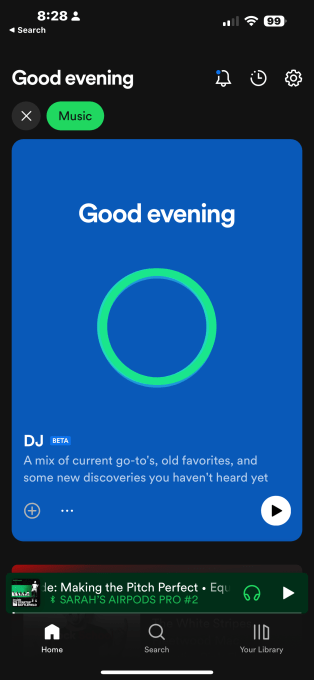
Image Credits: Spotify screenshot

Ah, what a time to be alive! Music streaming service Spotify this week launched an AI DJ to personalize the music listening experience for its users. Similar to a radio DJ, Spotify’s DJ feature will deliver a curated selection of music alongside, in its case, AI-powered spoken commentary about the tracks and artists you like, using what Spotify says is a “stunningly realistic voice.” (The voice is based on Spotify’s Head of Cultural Partnerships Xavier “X” Jernigan, who had hosted Spotify’s morning show podcast, “The Get Up.”)

To access the DJ, you’ll head to the Music Feed on the Home page of Spotify’s iOS or Android app, then tap Play on the DJ card to begin. The DJ will then begin to play a lineup of music and short commentary. As listeners engage with the DJ feature, they’ll be presented with a personalized stream of songs that will include both newer tracks and old favorites, and a variety of genres. But it’s not a long-running playlist. After you move through one style of music or selection (like your summer throwbacks), you’re then presented with another (like your favorite hip-hop tracks). This experience feels more like Spotify tied its personalized playlists together, then interspersed them with commentary.

The interesting thing here is that Spotify said it’s leveraging Generative AI through the use of OpenAI technology to create the commentary, which is meant to scale its in-house music experts’ insights about music, artists and genres. Meanwhile, its AI voice comes from its 2022 Sonantic acquisition. Spotify has led the market for years with its personalization tech for crafting playlists, but now its rivals have their own versions of this type of experience. By adding an AI DJ, Spotify hopes to attract and retain users who want a more lean-back experience while introducing a new feature that can’t be quickly copied by the competition.

Platforms

Apple

Google

App Updates

Social

  • Elon Musk tweeted Twitter would open source its algorithm next week. We’ll believe it when we see it, Twitter!
  • Twitter also laid off dozens more sales and engineering staff last week.
  • Snapchat rolled out new features for Sounds that let users add licensed song clips, excerpts from TV shows and movies, or their own original audio to Snaps and Stories. One new feature will let you tap an icon to be suggested relevant Sounds to add to a Snap. Another lets you create montage videos that are automatically in rhythm to the beat of audio tracks.
  • A new study of U.S. adults found that 14% of Gen Z adults start researching news on TikTok, versus 2% of all adults. I guess when Google said TikTok was a threat to its business, it was right.
  • Tumblr’s parody of paid verification delivered a 125% boost in iOS in-app purchase revenue since November, according to a new analysis of the app’s in-app consumer spending by data.ai. The company had launched a sort of tongue-in-cheek rebuttal to the idea that subscription-based verification had any real value by launching paid “double checkmarks” as an IAP. Consumer spending on Tumblr’s iOS app increased since the November 2022 launch of the feature, now totaling $263,000 in net revenue. A small figure, but a boost nonetheless.

Media & Entertainment

  • Spotify is planning to launch a TikTok-style feed for music discovery in its app, according to Bloomberg, which said the news would be announced at the company’s upcoming Stream On event in March. Spotify previewed the feature at its Investor Day last June.
  • Podcasts are coming to YouTube Music. YouTube announced that ad-supported podcasts would be made available on YouTube Music, with support for background listening included for free. The feature will include both audio and video podcasts, initially for users in the U.S.
  • YouTube Music’s redesign brought a new feature that lets users create their own automatically generated radio stations by picking up to 30 artists and then applying mood filters. The stations can also be further refined with other specific filters like “new discoveries” or “chill songs,” for example.
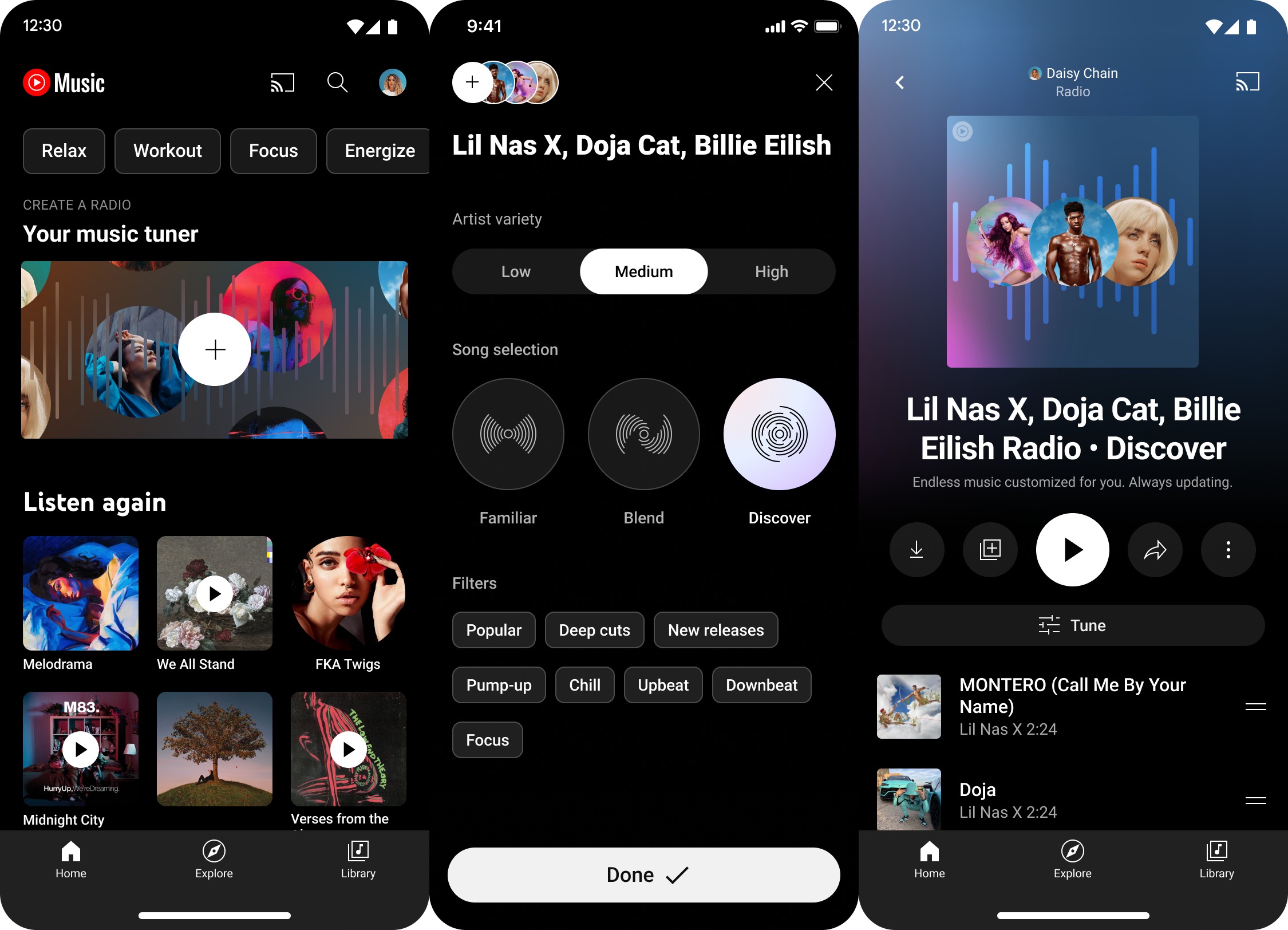
YouTube Music's new radio experience

Image Credits: YouTube

  • Nexstar Media Group launched a free NewsNation app for streaming devices, including Apple TV, Roku, Fire TV and others.
  • Spotify re-org’d again. After last month’s departure of Dawn Ostroff, who oversaw podcast content and advertising, Spotify’s head of audio talk shows and partnerships Max Cutler is also leaving the company on May 1 as part of a larger re-org. Cutler notably oversaw deals with top creators like Joe Rogan and Alex Cooper (“Call Her Daddy”), after joining the company when it bought his network Parcast.  Julie McNamara, who oversaw originals, will now manage exclusives too as Cutler departs.
  • Clubhouse is adding a “Mutals” feature that lets you see who you know in common with other participants in one of its live audio rooms. The company said it could serve as a good icebreaker for chatting up new folks.
  • Spotify began testing playlists that could only be unlocked by NFT holders. The feature was being tested by the metaverse band Kingship and communities like Overlord, Fluf and Kevin Rose’s Moonbirds.
  • YouTube launched a new multi-language audio feature that allows creators to add dubbing to their videos after creating the dubbed tracks with a third-party partner. The feature was tested by select creators, like MrBeast, and is now expanding to thousands more creators for use in long-form videos.
  • Celeb greetings app Cameo named Meta vet Matty de Castro as its GM of Enterprise Sales, Cameo for Business.
  • Xiaomi is shutting down its short-form video app Zili next month, citing an “operational adjustment.”

Gaming

  • ASO matters! Rovio said it’s delisting Angry Birds on Google Play and renaming it on the App Store because the older game is taking away attention and downloads from its newer versions, like Angry Birds 2, Angry Birds Friends and Angry Birds Journey. The older App Store game will be renamed to Red’s First Flight in order to redirect search traffic to the newer titles. The game will remain playable on devices it’s been downloaded to even after the rebranding and removal.
  • Unreal sneak peek ahead. Epic Games said it’s returning to the Game Developers Conference in San Francisco on March 22 to give a glimpse of the future of game development with its Unreal Engine. The company promises to “look at some new projects” and “dive into the latest Epic tech.” The keynote will be livestreamed on Twitch and YouTube.

Messaging

  • WhatsApp was spotted developing a “private newsletter tool which would expand on its existing broadcast functionality to allow users to broadcast via newsletter, as well. The reveal follows Meta’s launch of a broadcast channels feature that lets users send a one-to-many message to Instagram users. The same feature is also being tested in Messenger.
  • Messenger was spotted internally testing another BeReal clone, “Roll Call.” The feature asks users to add a photo or video to a prompt with a timed countdown to share what they’re up to at the moment with a group of friends in a chat.
  • Google rebranded its chat features in the Google Messages app as “RCS Chat” and now refers to a “Chat Message” as an “RCS Message,” among other changes. The subtle shift in branding is meant to highlight Google’s adoption of the next-gen communication protocol meant to replace SMS. Apple has steadily refused to implement it on its own devices, as RCS offers many iMessage-like features and would reduce its grip on the blue bubble-demanding market.

AI

  • Two weeks after launching the new AI-enabled Bing on desktop, the new Bing became available in the Bing mobile app and through Microsoft’s Edge browser for Android and iOS. Skype, Microsoft’s messaging app, also now allows you to bring Bing into a text conversation to add additional information with the @Bing command. Bing’s AI has seen some drama since its launch as users trolled and tested the AI’s limits, which pushed Microsoft to adjust some parameters around things like the length of conversations and other things. Unfortunately, that means the AI is now restricting users to six turns per conversation and 60 total queries today.

Image Credits: Microsoft

  • Google Photos made its AI-powered Magic Eraser photo editing feature available to Android and iOS users with a Google One paid subscription. The feature was previously Pixel-only. The company also rolled out a small handful of other editing tools, as well, like a new HDR video effect and exclusive collage styles.
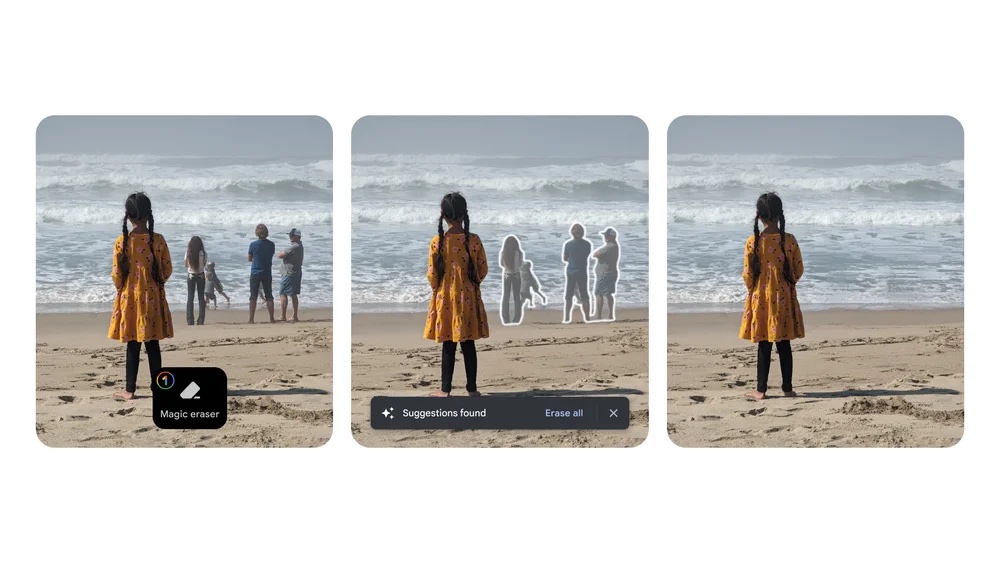
Image Credits: Google

Etc.

  • Amazon’s Alexa app was updated with a new feature that allows users to manage and move their music between multiple Echo devices or groups of speakers within the app instead of using voice commands.
  • Google said it will begin the big Google Tasks merger in March. This will allow users to manage all the tasks created across Google apps like Gmail, Docs and Chat in the Tasks app itself. On May 22nd, it will also move reminders from Calendar and Assistant into Tasks too.
  • Samsung’s Bixby mobile assistant added a new feature that lets users clone their own voice with AI to answer phone calls, but it’s only available in Korean for now.
  • Stripe’s Tap to Pay arrived on Android in six countries, including the U.S., Canada, the U.K., New Zealand, Australia and Singapore. The feature supports payment methods using Google Pay, Mastercard, Visa and American Express debit and credit cards. Last year, Stripe was Apple’s first payment partner for “Tap to Pay.”

Travel and Transportation

Security

  • Researchers found bugs that would have allowed attackers to bypass Apple’s sandbox on iOS and Mac, allowing them to access messages, photos and call history. Apple fixed the bugs before the disclosure was made public.
  • Twitter dumbly made SMS 2FA a paid subscription feature only…which we suppose is in keeping with the new social networking model where security and customer support are only available to paying customers now.
  • Apple removed scammy authenticator apps from the App Store which couldn’t even scan QR codes until users subscribed to their service. Some also used dark patterns that should have never gotten through App Review — like tapping on the X to close the paywall would prompt a subscription confirmation.

Government, Policy and Lawsuits

  • Florida’s Republican AG wrote letters to Apple and Google pushing the companies to label the country of origin of the apps on their app stores. The political move follows some lawmakers’ increasing concerns about China’s surveillance, which led to bans of the TikTok app from government officials’ phones.
  • AliveCor and Apple will take their latest dispute to an appeals court. In December, the International Trade Commission (ITC) ruled Apple infringed on AliveCor patents around wearable electrocardiograms and called for a ban on Apple Watch sales. But that order had been on hold as the Patent Trial and Appeal Board ruled the patents were invalid. President Biden’s administration, however, has now upheld the ITC ruling, setting the stage for a broader legal battle to take place.
  • The European Commission (EC) issued a directive instructing all EC employees to remove TikTok from their corporate devices as well as on any personal devices that get used for work purposes. The news follows similar rulings among U.S. lawmakers as the threat of Chinese surveillance looms.
  • The U.S. DoJ has been meeting with Google’s competitors and customers for an antitrust lawsuit over Google Maps and its dominant position in the digital maps market.

This Week in Apps: Meta’s paid verifications, Instagram’s founders’ new app and Spotify’s AI DJ by Sarah Perez originally published on TechCrunch


from TechCrunch

AI’s hype isn’t going to be simply star-studded 

Welcome to Startups Weekly, a nuanced take on this week’s startup news and trends by Senior Reporter and Equity co-host Natasha Mascarenhas. To get this in your inbox, subscribe here.

First off, hello to all the new Startups Weekly subscribers who joined us after last week’s newsletter. I’m glad we all still resonate with a comeback story. Second, here are some basics on what to expect. 

I start off most of these newsletters with a mini-essay on what is top of mind to me, sometimes pointing toward one of my longer-form pieces from the week or just to share some extra thoughts at the end of the news cycle. Then I jump into three themes that stand out from the week, with extra reading for those that want to dig in more. I end with notes to know from around the tech blogosphere, TC events and, if you look closely enough, personal anecdotes that often have to do with coffee and food. Ok, now onto the aforementioned essay! 

It all started with a sound. More specifically, an SEC filing from Sound Ventures, actor and entrepreneur Ashton Kutcher’s venture firm, confirmed plans to raise an artificial intelligence-focused venture firm. Bloomberg estimates that the new investment vehicle could total around $200 million dollars upon close.

While Kutcher’s firm has been around for a long time and has lived through enough hype cycles to not be easily swayed one way or another, the filing made me curious. Are we going to see more celebrity-led venture firms jump onto the AI bandwagon? Especially since crypto, the hype train’s ol’ favorite sector, has sputtered and struggled in recent months?

If you ask me, I’d bet that we won’t see the same rush of celebrities looking to promote AI products on their Instagram stories the way they promoted [insert coin offering here]. It’s complicated, and I may be entirely wrong. Read my full take on TC+: “Will AI receive the same celebrity-fueled hype as crypto once did? It’s complicated.”

In the rest of this newsletter, we’ll talk about eggflation, thorny integration and breaking tradition. As always, you can follow me on Twitter or Instagram to continue the conversation. I’m also writing on my personal blog, if you’d like to follow along with the 1,835 other people who come to hang and be too wordy.

Eggflation

One of my favorite pastimes is going to the supermarket, so you can imagine that I am aggressively attuned to the changing prices of eggs these days. Luckily, there’s a startup angle to tell us more. TC’s Christine Hall wrote about how higher egg prices have burst open a bigger demand for alternatives. If you’re like me and just know about Just Egg, this story is illuminating for so many reasons.

Here’s why it’s important, Hall tells me: “There wasn’t a definitive yes or no about pushing the gas pedal on [alternative egg startups] getting more product out there. I was hoping someone would say, yes, startups should go for it, or no, this is just a passing thing and they should wait. So perhaps this kind of environment presents a very scrambled opportunity, pun intended.”

Image Credits: Paolo Farinella / Getty Images

Figma about it

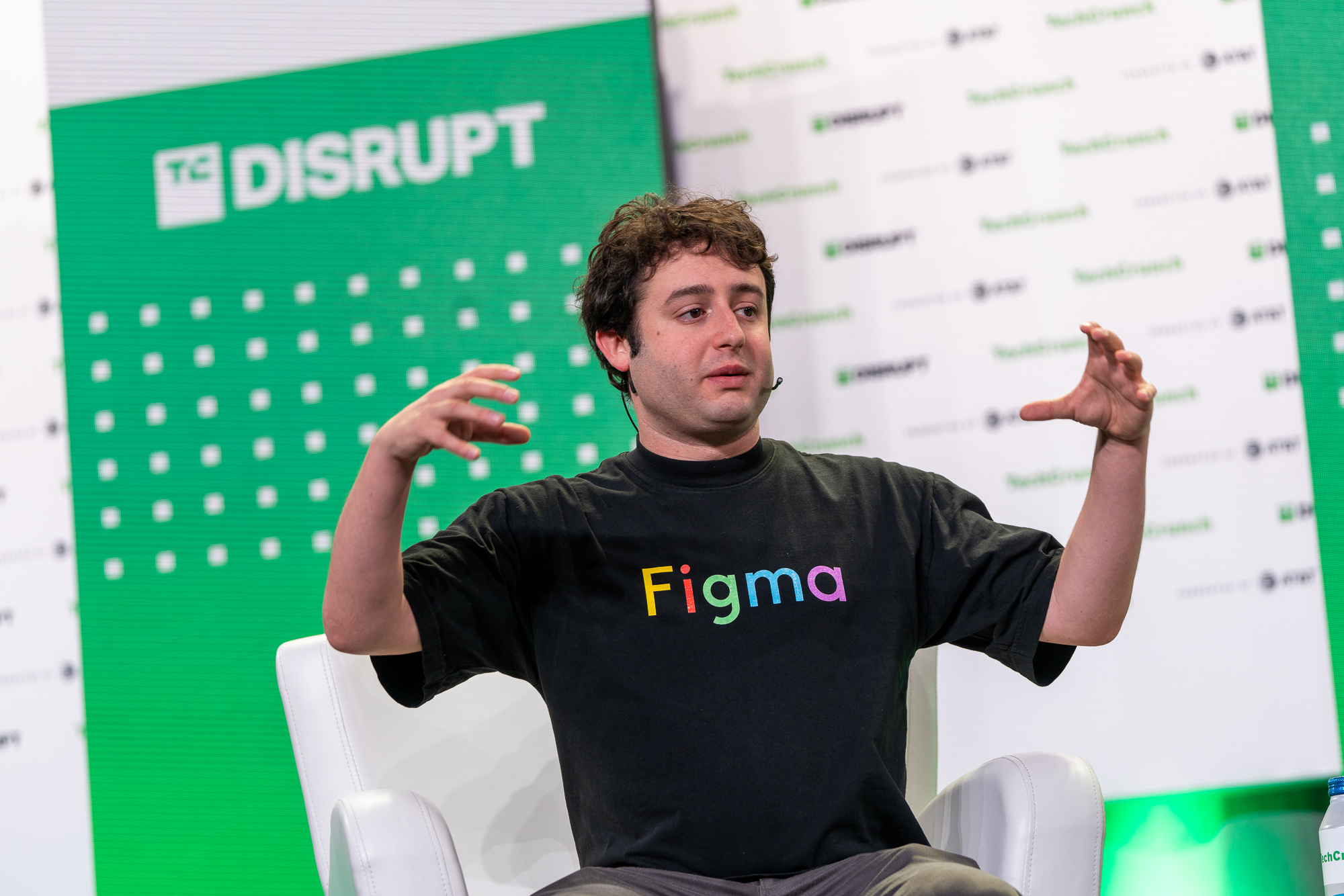
The DOJ is getting ready to file suit to block the $20 billion Adobe-Figma deal announced last year on the grounds it is anti-competitive, early reports from Bloomberg say. If the DOJ succeeds, it may be shattering to both large and small tech companies that were taking notes on what a massive exit could look like.

Here’s why it’s important: It’s not a surprise, but more a confirmation of some early worries. At the time of announcement, the deal was largely seen as Adobe taking out one of its biggest rivals in the design world. Immediately, folks including TC’s Ingrid Lunden rang some alarm bells around Adobe’s future dominance, as both a platform and tooling leader in the space.

Also, Ehab Bandar, founder at design consultancy Bigtable.co, told TechCrunch back in September that “designers, and especially cross-functional teams, hate to switch software. Any new tool would need to excel at so many things that Figma is currently doing that it’s hard to imagine any new competitors coming out of the woodwork.” Others saw a potential liquidity event as an opportunity to usher in a new generation of creative, and perhaps entrepreneurial, designers.

Dylan Field, CEO at Figma on the TechCrunch Disrupt stage in San Francisco on October 20, 2022. Image Credit: Haje Kamps / TechCrunch

Image Credits: Haje Kamps / TechCrunch

The follow-up

Remember when the IPO market was a bonanza meets party meets nerd stampede? We’re following up on past public market conversations with our latest episode of Equity, titled Scooters and social media companies are surprising IPO candidates. Come for our analysis, stay for our anger at the term “proficorn.”

Here’s why it’s important: Both Reddit and Lime are reportedly eyeing public market debuts this year, which completely took your dear hosts by surprise. We’ve been much more focused on Stripe, which is eyeing an exit over the next 12 months, and Instacart, which has delayed its IPO before. The growing list of potential candidates tells us that some companies believe they are doing well enough that the Nasdaq isn’t a scary acronym. Only FTX, now.

reddit app icon

Image Credits: TechCrunch

Etc., etc.

Seen on TechCrunch

Sensitive US military emails spill online

Modernizing 911 calls with Michael Chime from Found

SignalFire’s founder says his VC firm lost staffers who ‘thought we were too cheap’ in prior years

Elon Musk suggests Twitter could open source its algorithm ‘next week’

Seen on TechCrunch+

Pitch Deck Teardown: Uber’s $200K pre-seed deck from 2008

Is ocean conservation the next climate tech? 7 investors explain why they’re all in

The $100M venture round is going extinct

5 questions emerging managers should ask before selecting LPs

And with that, thank you for being here. If you’re reading this on a browser, get this in your inbox too! subscribe here and share it with your friends.

N

AI’s hype isn’t going to be simply star-studded  by Natasha Mascarenhas originally published on TechCrunch


from TechCrunch

Friday, 24 February 2023

Daily Crunch: Falling short of analysts’ estimates, Warner Bros. Discovery posts $2.1B net loss for Q4 2022

To get a roundup of TechCrunch’s biggest and most important stories delivered to your inbox every day at 3 p.m. PST, subscribe here.

Folks, we’ve got some really sad news for you. The weekend is here, which means that you have to stop working for a couple days. We know, it’s a tragedy. But don’t worry, Monday is only two short weekend days away, and then you can get back to the grindstone.

Black History Month continues! Originally published in 1975, For Colored Girls Who Have Considered Suicide/When the Rainbow Is Enuf is a magnificent, passionate, and fearless story of what it meant to be a woman of color in the 20th century.  Well worth a read — or seek it out onstage!

Much love and hugs and such, Christine and Haje

​​The TechCrunch Top 3

  • Money, money, money…must be funny: Warner Bros. Discovery revealed that it lost another $2.1 billion in the fourth quarter. This is despite the success of shows like “The Last of Us” on HBO and games like “Hogwarts Legacy.” Lauren explains more.
  • Fashion layoffs: Secondhand apparel marketplace Poshmark is now laying off employees just two months after being acquired by Naver, Kate reports.
  • Another brick in the wall: Ron explains why a possible U.S. Department of Justice lawsuit over competition could derail the pending $20 billion Adobe-Figma deal.

Startups and VC

The truth of the matter is that Mobile World Congress (MWC) was never a consumer tech show, per se, but the participation of various smartphone makers transformed it into a handy launching pad. Brian explores in What we expect from MWC 2021.

In the face of conscripted co-founders and blacked-out bunkers, Ukraine’s tech industry marches on. Mike explores how, a year on from Russia’s invasion, Ukrainian startups show astounding resilience.

And we have five more for you:

5 questions emerging managers should ask before selecting LPs

Two Wooden People Figures Communicating

Image Credits: Constantin Johnny (opens in a new window) / Getty Images

Before an emerging manager can start backing startups, they’ll first need to earn the trust of limited partners who are willing to bet on their investment thesis.

“Each step up the decision-making ladder increases the risk of dismissal, lost information or miscommunication, which can be mitigated if you can get in front of the decision-makers early on,” says Linda Greub, co-founder and managing partner of Avestria Ventures.

Drawing from her own experience, Greub shares five questions emerging managers can use “to find the investors most likely to believe in you.”

Three more from the TC+ team:

TechCrunch+ is our membership program that helps founders and startup teams get ahead of the pack. You can sign up here. Use code “DC” for a 15% discount on an annual subscription!

Big Tech Inc.

A new hacker group going by the name CH01 defaced Russian websites to have them display a video of the Kremlin on fire. Lorenzo has more.

Google One subscribers can rejoice over this news that they now have access to Google Photos’ new AI-powered “Magic Eraser” that will remove unwanted content from images, Sarah reports.

We have a treat for you: six stories instead of five:

Daily Crunch: Falling short of analysts’ estimates, Warner Bros. Discovery posts $2.1B net loss for Q4 2022 by Christine Hall originally published on TechCrunch


from TechCrunch

TikTok’s teenage filter has us confronting our own mortality

People on TikTok are getting emotional over an AR filter that makes you look like a teenager. Juxtaposed one beside the other, the filter shows you as you are, and then a version of you that has perfectly smooth skin and a strange youthful innocence.

The filter has sparked a surprisingly wide range of emotions.

“I had not seen her in a very long time,” wrote a TikToker in a post with over 500,000 views. “Yes… I cried.” In a video with 1 million views, another user wrote, “This filter gave me the ability to finally speak to my younger self,” reflecting on how much she had grown since leaving an abusive living situation.

At the same time, others have filmed TikToks making fun of dramatic reactions to seeing a “younger self,” while some people joked about how being a teenager doesn’t mean you have flawless skin — it probably means you can’t keep your acne under control.

@kasiadollka

omg my dad’s reaction to the #teenagefilter made me tear up 😭

♬ The Freshmen – The Verve Pipe

We know that social media can make us feel bad about our appearance. Only in this case, instead of comparing ourselves to others, this filter drives us to compare ourselves to who we were in the past. Still, it’s a warped sense of reality — you probably didn’t look like a baby cherub as a teenager, and you might have wrinkles now… but you’re probably a lot more well-adjusted with a lot less chemistry homework.

But for many users, it’s not the baby-smooth skin that makes them feel emotional. Rather, the filter spurs a sense of grief over the regrets they have about not enjoying life when they were younger, or the hard decisions they’ve had to make as an adult. A lot of these videos are set to the song “The Freshmen” by The Verve Pipe (which shockingly is not the same band that wrote “Bittersweet Symphony”). The brooding 90s alt rock song has an apt chorus for the emotions that are bubbling up for Gen Xers: “For the life of me I cannot remember/What made us think that we were wise and we’d never compromise.”

@uhhhuhhunney

Lived in the past for about 30 seconds or less. To think about the last time i looked so young and what i had endured up to that point. It seemed like my smile never lost its life but that sparkle in the eye had already been gone for so long. 20 years past and even more endured i wonder what will be in 20 more years. #teenagers #teenagefilter #teenagelookfilter #teenagerfilter #abuse #domesticviolence #death #surviving

♬ The Freshmen – The Verve Pipe

Though these TikToks are sentimental, this is far from the first time that an AR filter or app has gone viral to show us what we looked like in our youth, or how we might look when we’re old.

Just months ago, fantastical AI-generated avatars were all the rage, though that trend has died down considerably. And every so often, a filter that makes you look like an animated Disney character will predictably go viral on Snapchat or TikTok, keeping our brain worms entertained for a moment until we get bored again.

These AR filters are more prone to going viral, though, since there’s a smaller barrier to entry — you don’t have to download a new app, which is reassuring given the shady history of many viral photo editing apps. Some photo apps have been found to be vectors for malware, while in other cases, users have worried about what happens to the photos they upload into these apps. These concerns came up around Russia-based AI editor FaceApp, which later had to clarify in a statement that it might store updated photos in the cloud for “performance and traffic reasons,” but that most images are deleted within 48 hours.

Some users may have security concerns about TikTok regardless — but TikTok claims that it is not collecting or storing our biometric data when we use these AR filters.

In any case, as you idly scroll through TikTok, just remember: We are all going to die one day!

TikTok’s teenage filter has us confronting our own mortality by Amanda Silberling originally published on TechCrunch


from TechCrunch